
$30.00
5 for
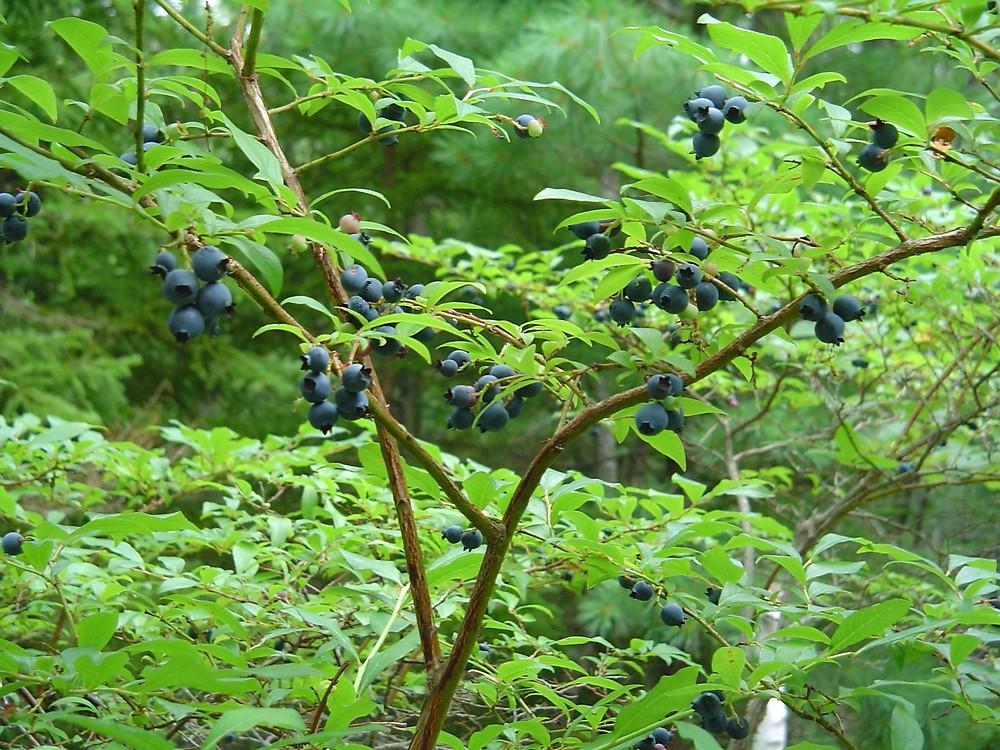
Wild highbush blueberries are predominately found in wetland margins, moist woods, bogs, swamps and low areas. These plants are not named varieties, so not bred for bountiful harvests but you can do your own selection or cherish their wild traits. For best fruit production, you will want to plant several within 10-25 foot of each other. Root cuttings from wild bushes grown in the nursery in Michigan for one year.
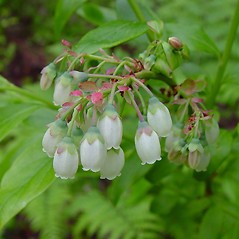
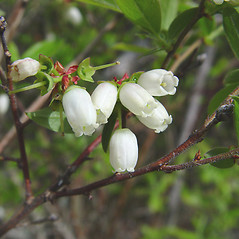
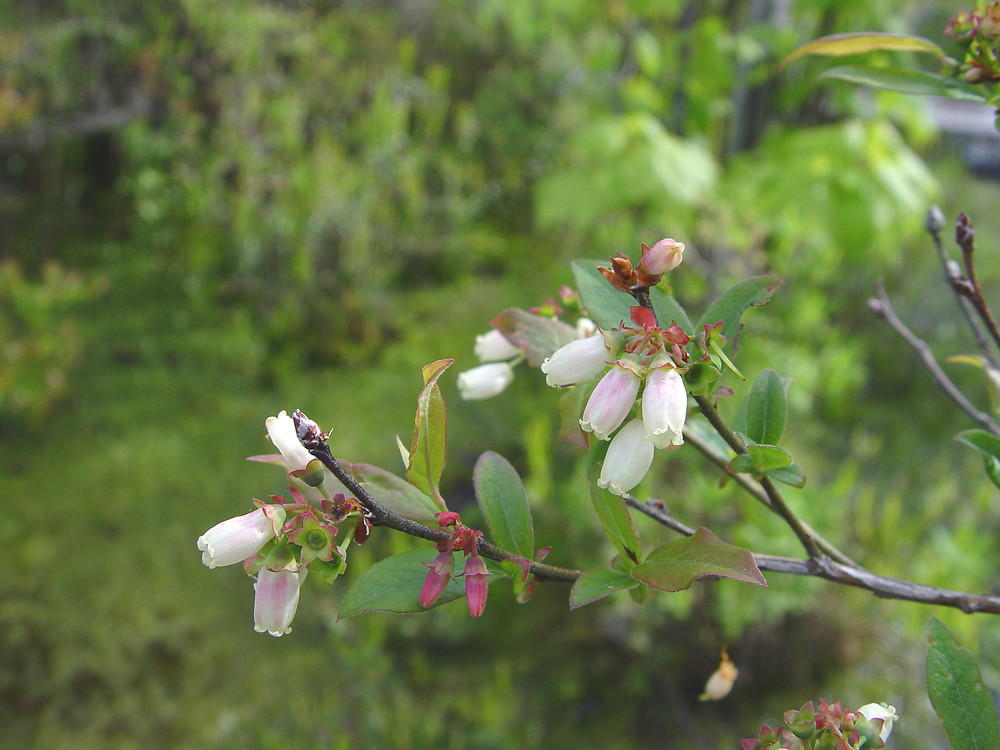
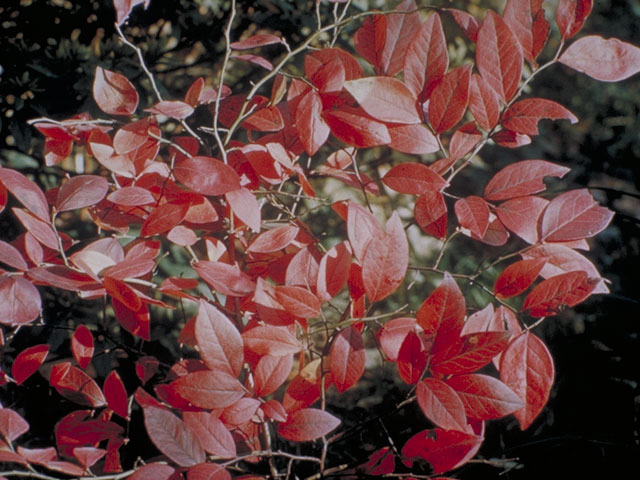
Mature plants will reach around 5-8’ tall with an equal spread and a dense, rounded habit. Foliage flashes bright shades of coppery red in fall. Loose clusters (“corymbs”) of white-pale pink, pendulous, urn-shaped flowers bloom in spring. The round, sweet berries are dark blue to purple, have a dull, blue-grey bloom on their surface, and incorporate the sepals. Native to Massachusetts.
Size: 6-12″ seedlings
On Dr. RJ Gegear’s list of plants for at risk insects – supports bumblebees and butterflies. Berries mature in August – try to beat the birds. Many birds, including catbirds, scarlet tanagers, and thrushes, relish the berries. As do bears. Old shrubs can take on an interesting, gnarled appearance with a spreading crown.
Photo Credit: © Arthur Haines, Native Plant Trust
In stock
Related products
-
$15.00
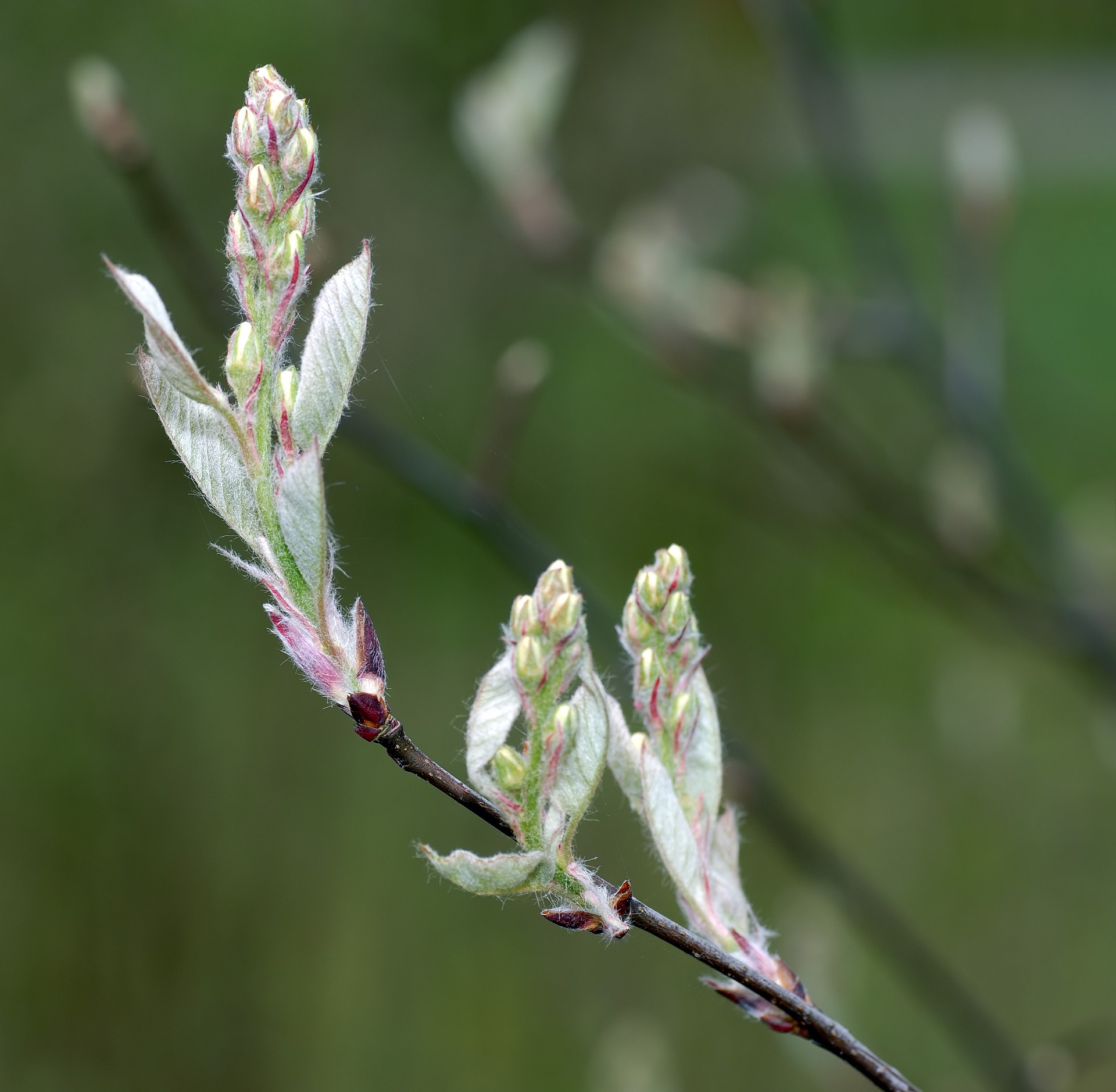
5 forAdd to Cart Button TextBlooms in early spring with fragrant white flowers that attract pollinators. While it can grow up to 6” tall, it generally forms low thickets about… -
$24.00
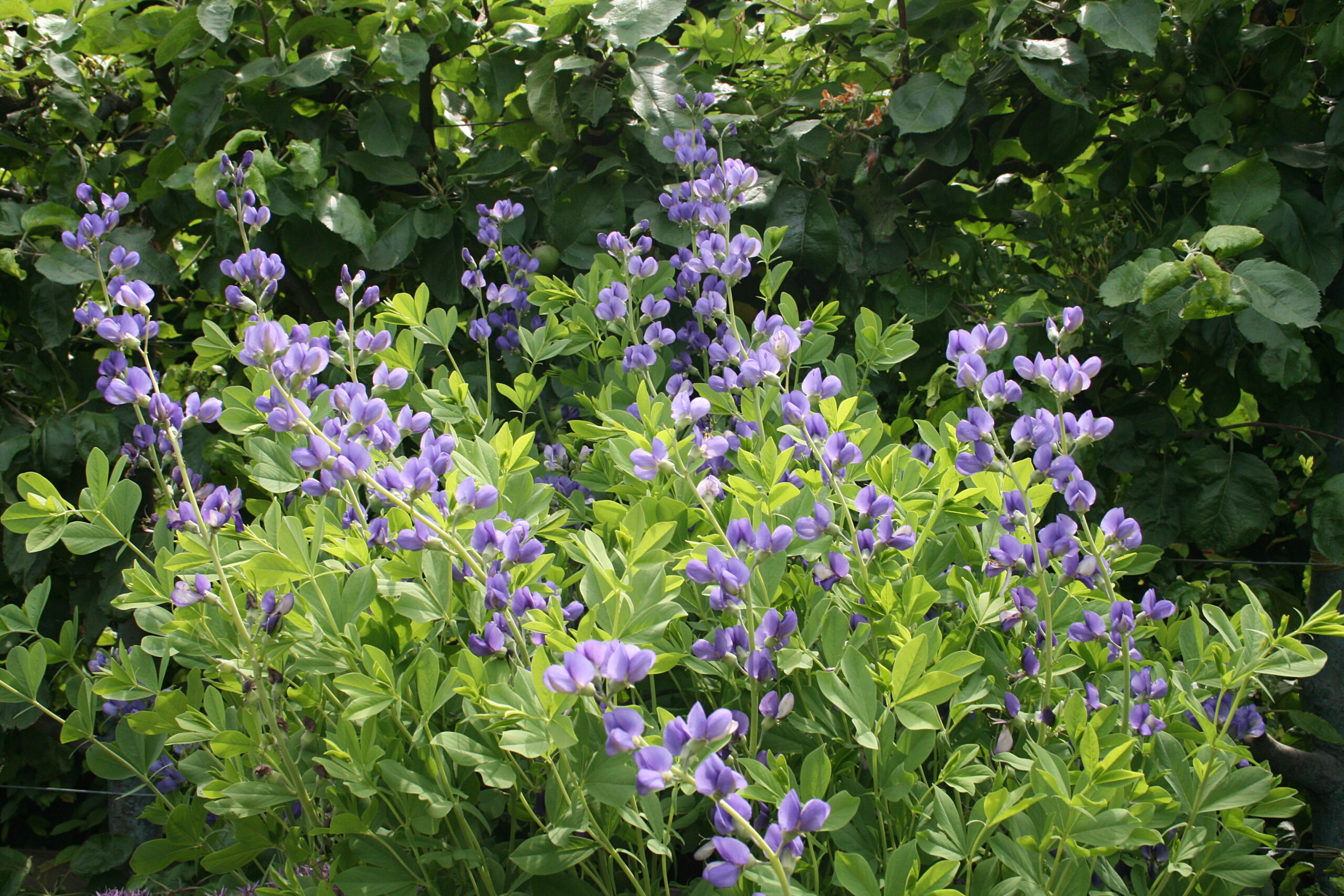
3 forAdd to Cart Button TextNative in US as far north and east as Pennsylvania. Perennial typically grows 3-4' tall and occurs in rich woods, thickets and along streambanks. Features… -
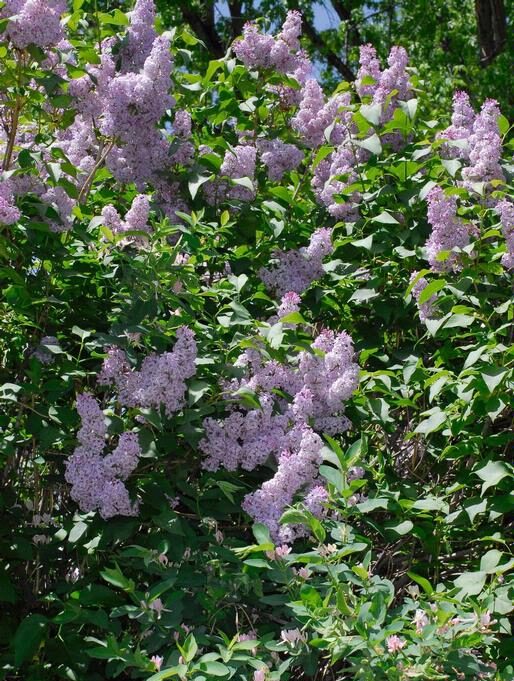
Lilac (Syringa vulgaris)
$12.00
3 for$12.00
3 forAdd to Cart Button TextBlooming in early spring with large fragrant purple flower clusters. Growing into a well rounded shrub. Plant 3-4' apart for a beautiful hedge. Mature height… -
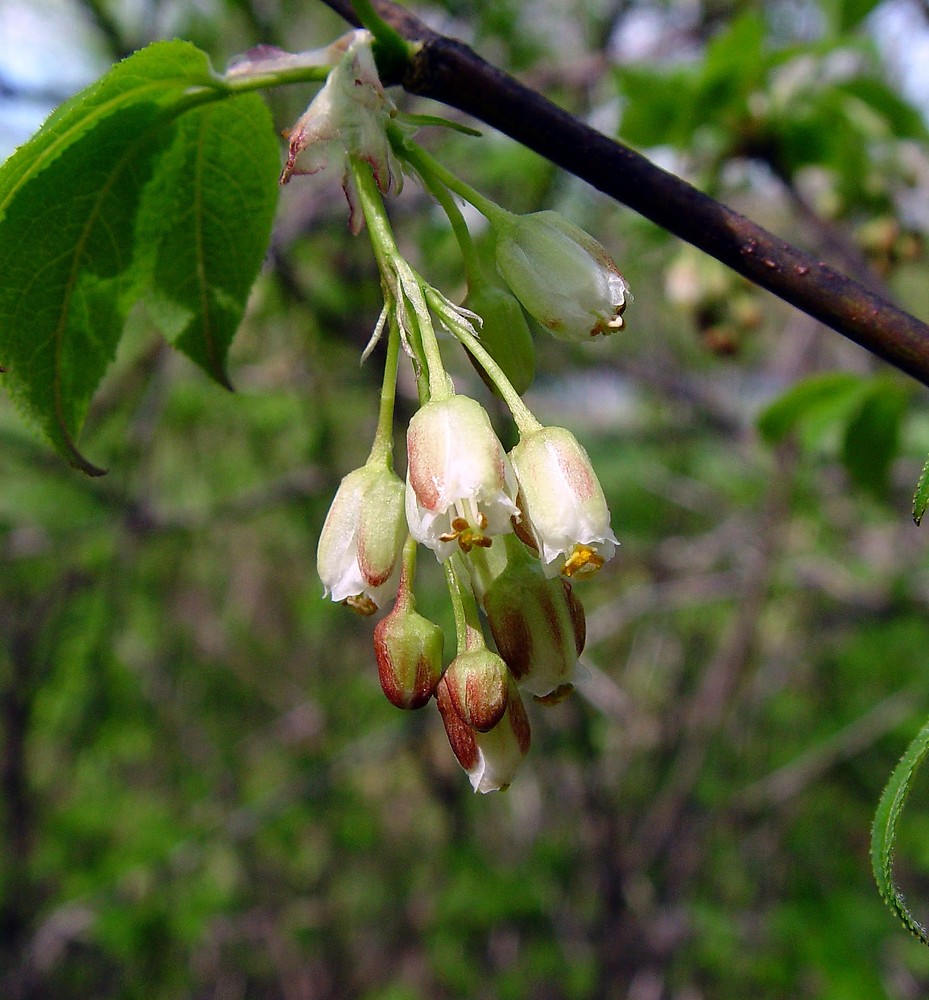
Bladdernut (Staphylea trifolia)
$25.00
5 for$25.00
5 forAdd to Cart Button TextFast growing, upright shrub grows to 10-15 feet with a mature spread of 10-20 feet. Thrives in disturbed habitats including forest borders and roadsides. Prefers…

