
$25.00
3 for
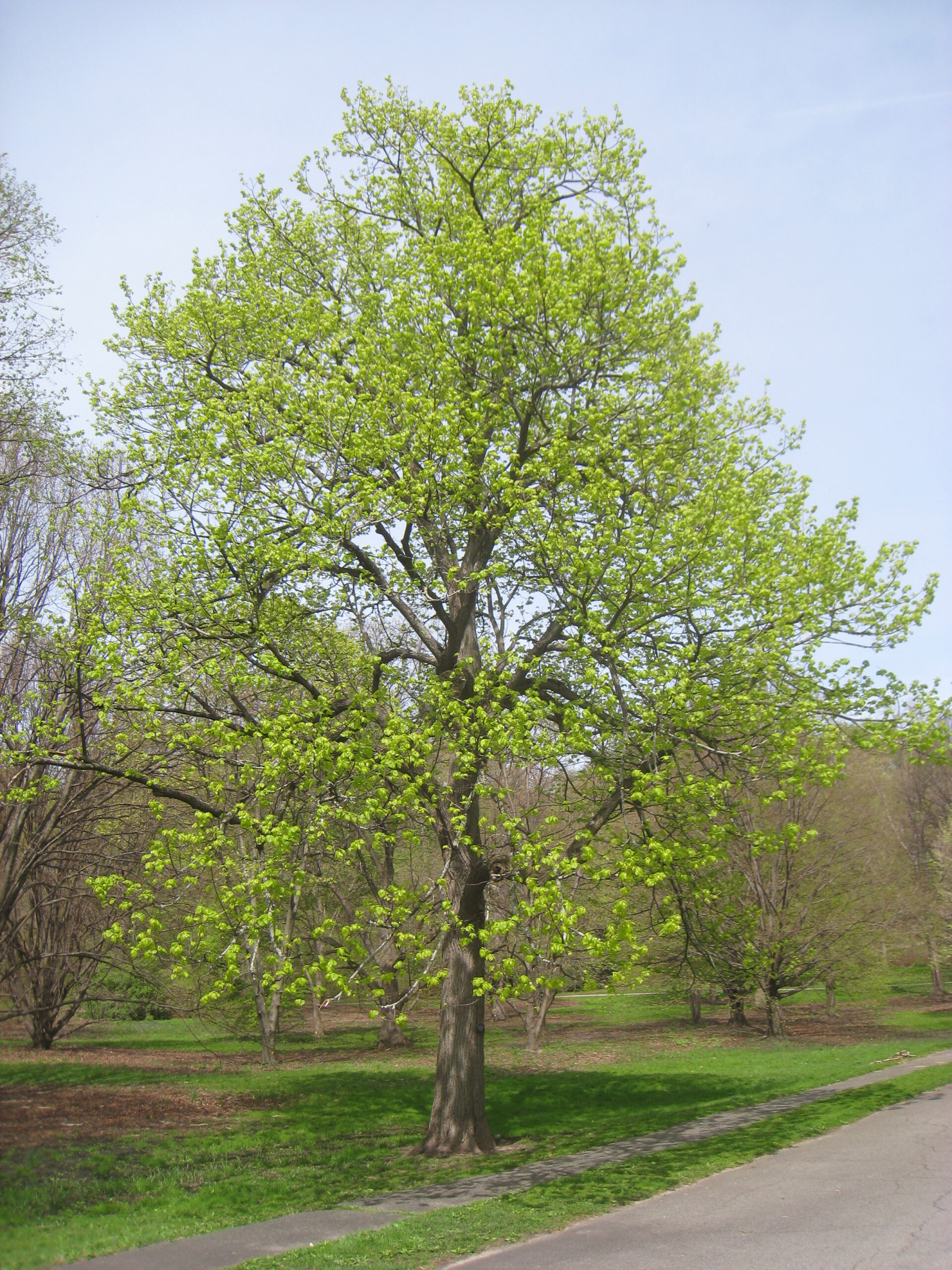
Stately specimen tree. Large tree with long trunk and a dense crown of many small, often drooping branches and large leaves. The flowers are very fragrant and their nectar attracts bees, blooms in June. When flowering, the trees are so full of bees, its get its name “Bee Tree”; this species is favored by bees over others and produces a strongly flavored honey. Also known as American Linden. Full or partial sun. Mature height 60 -80’ and 30-45′ spread. Native to Massachusetts.
Size: 12-18″ bare root plant
In a study of the pollination biology (Anderson, G. J.) 66 species of insects from 29 families were identified as pollinators of Tilia flowers. Bees and flies were the most common diurnal pollinators; moths were the primary nocturnal visitors . Most are not problematic, except a few including spongy moths.
Photo Credit: Daderot, Public domain, via Wikimedia Commons.
Out of stock
Related products
-
Black Gum (Nyssa sylvatica)
$22.00
4 for$22.00
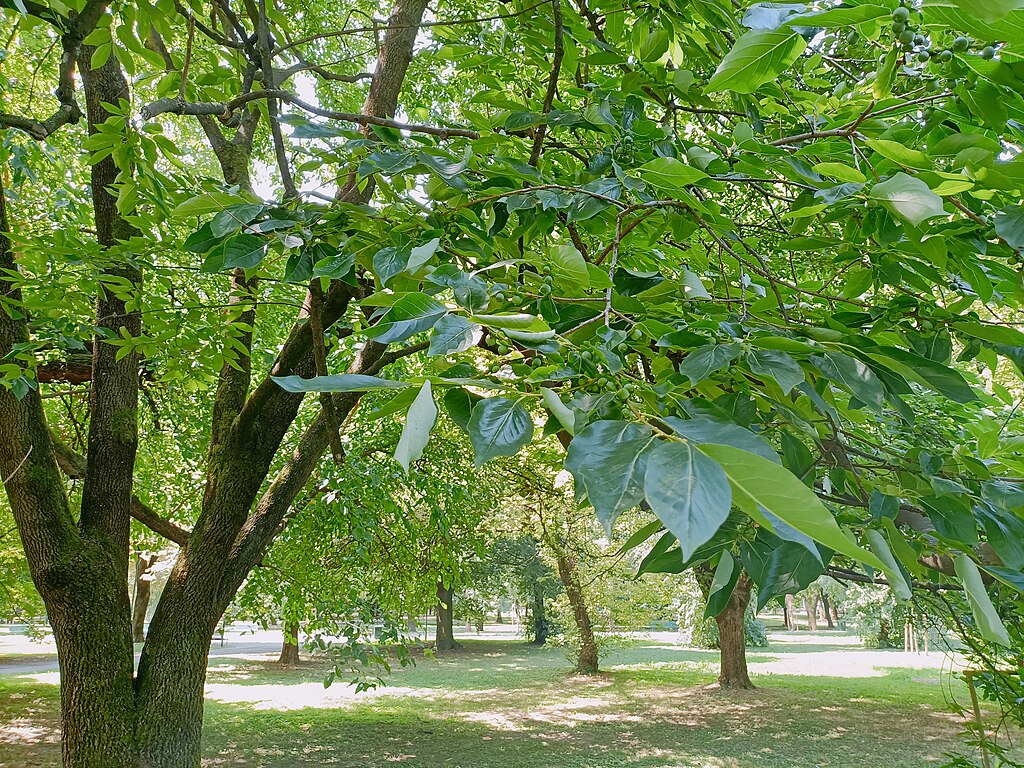
4 forAdd to Cart Button TextA stunning shade tree grows to average of 60’ with a spread of 20’–30'. Star shaped leaves are a dark green glossy, fall foliage with… -
$15.00
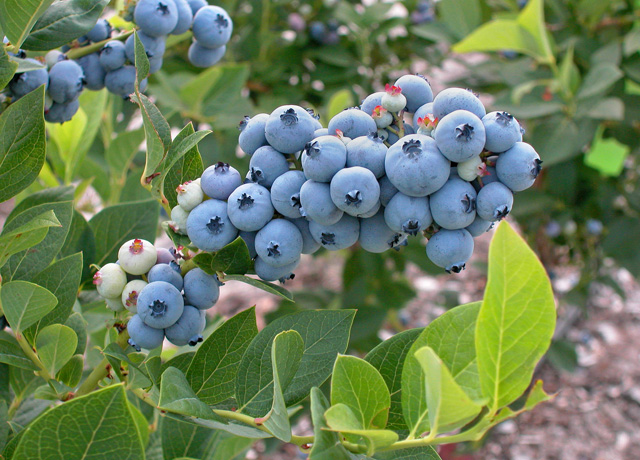
1Add to Cart Button TextLate season, high yielding variety. Grows 6-7’ tall, 5-6’ wide. Small to medium sized, sweet berries. One of oldest and widely grown varieties. Tolerates wide… -
$15.00
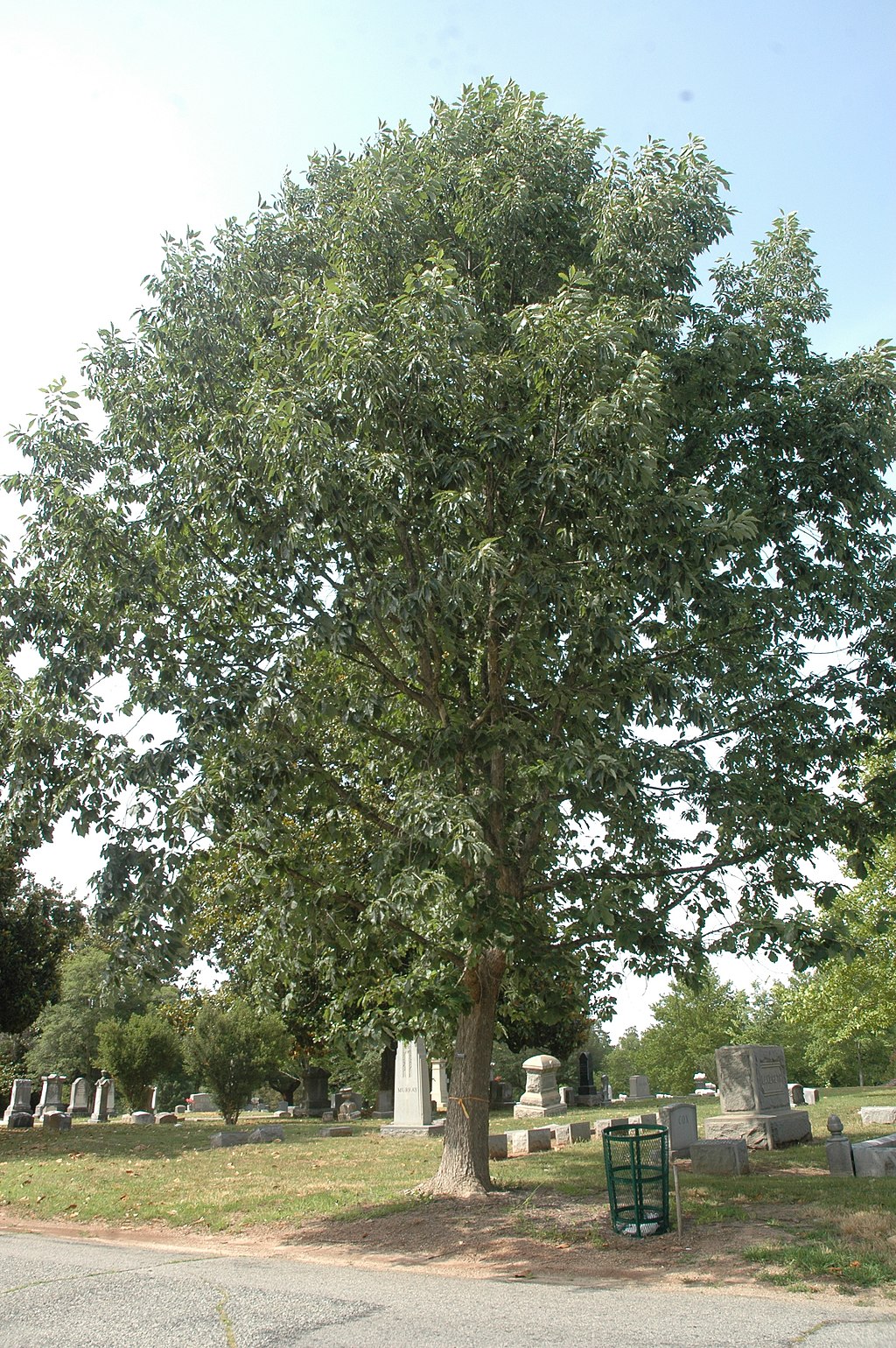
3 forAdd to Cart Button TextOaks are a keystone species that support diverse wildlife from rural to urban areas. Chinquapin have round crown that create great shade. Shiny green leaves… -
$15.00
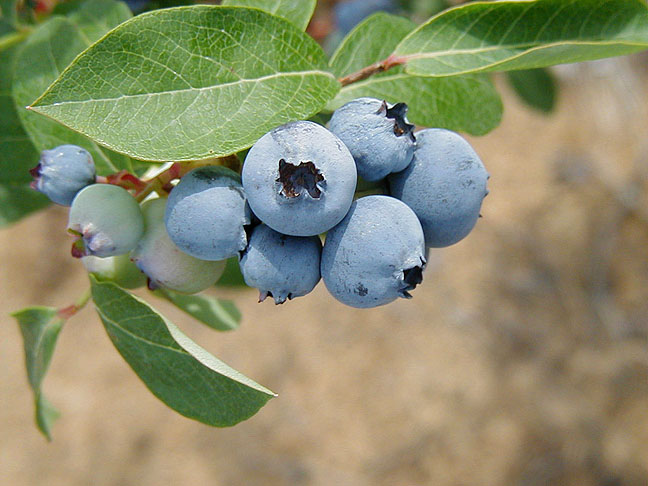
1 forAdd to Cart Button TextMid season. Bluecrop is a leading commercial blueberry variety. High bush with high yields of large berries in large clusters. Bluecrop can self-pollinate, but will…
